Is It Safe To Walk Around Key West At Night?
An honest look at nighttime safety in Key West's Old Town and Duval Street, the real risks after dark, and how guided ghost walks fit in as a lower-effort, group-safety option.
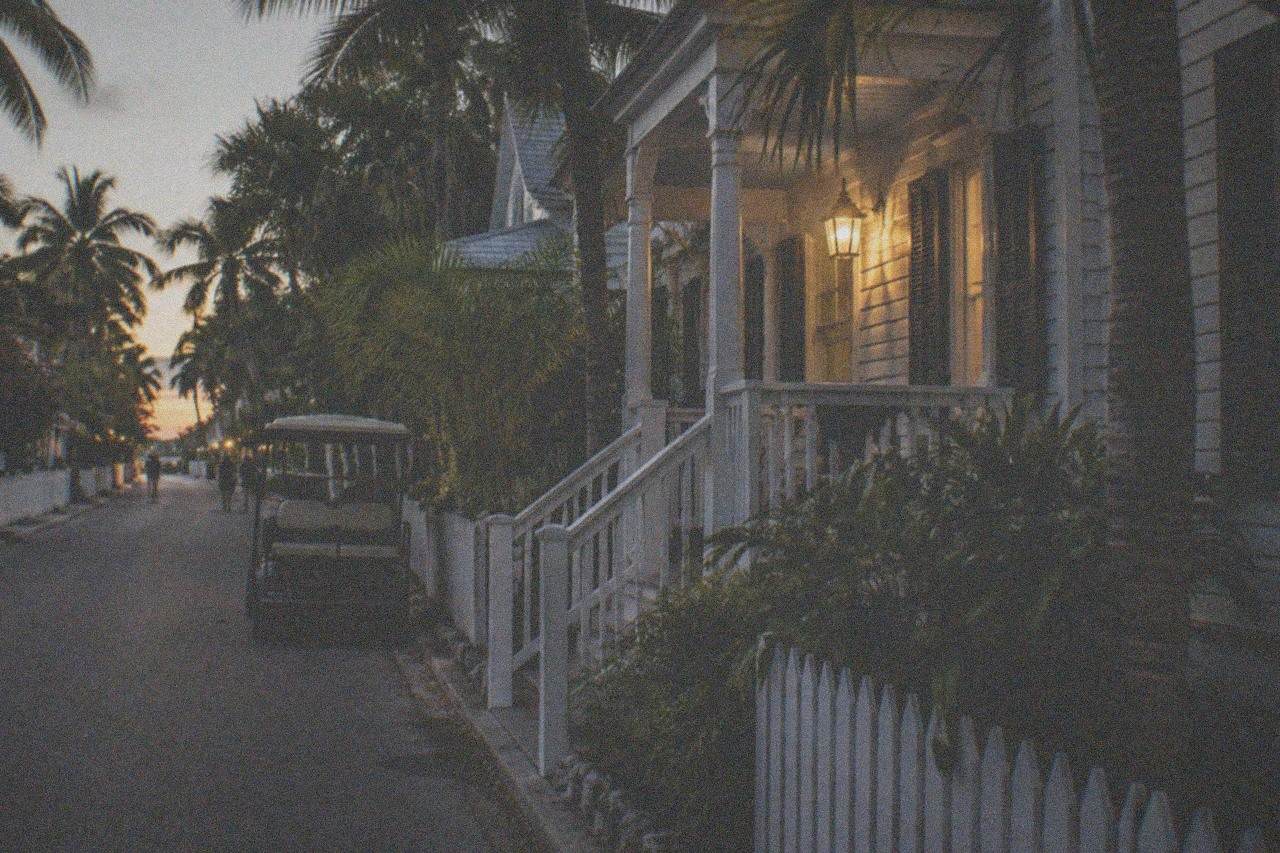
Is It Safe To Walk Around Key West At Night?
Yes, for most visitors, walking around Key West at night is safe, particularly in Old Town and along Duval Street, which stay brightly lit, heavily foot-trafficked and actively patrolled until well after midnight. The realistic risks are not violent crime; they are alcohol-related mishaps, dark residential side streets, bicycle and scooter traffic, and heat exhaustion on long walks. Basic street sense covers almost all of it.
That is the short version, and it is worth saying plainly because the question gets asked a lot. Key West is a small island town that swells with visitors year-round, and its main nightlife strip, Duval Street, functions as one long, walkable public space. When a street has hundreds of people on it at 11 p.m., with bars, restaurants and hotels facing the sidewalk, the practical safety profile is closer to a busy pedestrian mall than to an empty downtown.
The nuance lives in the geography. Old Town, the historic district where nearly all the bars, guesthouses and attractions sit, is compact and lively. The blocks thin out as you move away from Duval, and a street two blocks over can be quiet, dim and residential. New Town and the roads toward the airport, including South Roosevelt Boulevard where Fort East Martello sits, are not walkable nightlife districts at all; they are car territory. So the honest framing is not "Key West is safe at night" but "the parts of Key West you came to see at night are the safe parts, and knowing where those end is most of the job."
One more thing belongs in this opening: October changes the calculus. Fantasy Fest, the island's ten-day costume festival, runs October 16 to 25 in 2026 with the theme "Musical Icons and Iconic Musicals," and the crowds, street closures and late hours that come with it are a different experience from a quiet June evening. The official festival site carries the current schedule. If night safety is your concern and you are visiting during the festival, plan around the crowd rather than against it.
For many visitors, a guided walk is simply the lowest-effort way to be outside after dark: someone else picks the route, the group provides numbers, and the tour ends back at a central meeting point. If that appeals, the trio below covers the three most useful formats for seeing the island's darker streets in company.
Which Key West Neighborhoods Feel Safest After Dark?
Old Town is the nighttime safe zone, and it is where nearly all evening activity happens: Duval Street, the lower numbered cross streets, the waterfront at Mallory Square, and the blocks around Front, Greene, Caroline and Fleming Streets. Bahama Village is generally fine on main streets like Petronia. Beyond Old Town, New Town, Roosevelt Boulevard and the airport corridor are car-oriented and not evening walking districts.
Duval Street is the spine. It runs roughly from the Gulf at the northwest end to the Atlantic at the southeast, about a mile end to end, and the busiest stretch sits between Front Street and South Street, where the concentration of bars, restaurants and shops keeps sidewalks full until the early hours. Foot traffic is the single best predictor of nighttime comfort anywhere, and Duval has it in abundance. The cross streets in this band, Greene, Caroline, Fleming and Southard, carry their own restaurants and guesthouses, so they rarely feel empty either.
The waterfront edges are also good after dark. Mallory Square hosts a free nightly sunset celebration, with street performers, artists and food vendors starting about two hours before sunset, weather permitting, and the square stays populated into the evening as cruise-day crowds give way to dinner crowds. Walking the harbor side between Mallory Square and the Historic Seaport is well lit and busy. The Key West Chamber of Commerce maintains visitor information on the main districts if you want a second reference for what is where.
Bahama Village, the historic neighborhood west of Duval between Petronia and Virginia Streets, deserves an honest sentence rather than the vague warnings it sometimes gets. Its main commercial streets have restaurants and bars that draw a steady mixed crowd in the evening, and the neighborhood is a genuine, working part of Old Town. As anywhere, stay on the streets that have businesses open on them rather than cutting through dark residential blocks.
What you should mentally mark as "not an evening stroll" is anything outside Old Town. South Roosevelt Boulevard, where Fort East Martello Museum sits at 3501 South Roosevelt, is a fast road by the airport with long stretches of nothing much; the museum's own visitors are advised to drive or take a short ride from Old Town, not walk the roughly five kilometers. New Town's big-box stretch on North Roosevelt is the same. None of this is dangerous in the sense of high crime; it is simply poorly suited to walking at night, which is a different and more common problem.
If you would rather have a route chosen for you, a guided walk costs about the same as two cocktails. The Ghost and Mysteries Walk from Key West Ghost Tours coverage meets at 429 Caroline Street and covers Old Town's haunted sites for from $33, with a 4.5 rating across 1,130 reviews.
Thinking about whether a guided option is worth it at all? The site's longer treatment of that question, with price comparisons across all twelve bookable products, is in the companion piece on whether a Key West ghost tour is worth it.
How Late Is Duval Street Actually Busy?
Duval Street stays genuinely busy until midnight or later, seven nights a week, and on weekends and during events the foot traffic runs past 2 a.m. when the bars close. The quieter hours are roughly 3 a.m. to sunrise, when the street empties except for clean-up crews. For a visitor, "late" in Key West means something closer to nightlife-city hours than small-town hours.
The rhythm matters for planning. Sunset is the natural start of the evening, and the Mallory Square gathering puts several hundred people on the waterfront every night of the year. Dinner runs later than in most mainland towns, easily 8 to 10 p.m., and the bar crowd builds after that. By 10 p.m. on any night, the central Duval blocks have the feel of a street festival in miniature, and that density holds through midnight as a baseline, stretching later on Fridays, Saturdays and holiday weeks.
October is the peak, and not only because of Halloween atmosphere. Fantasy Fest brings ten days of parades, street fairs and costumed crowds, with the main parade on October 24, 2026. During the festival, entire blocks of Duval are closed to cars and given over to pedestrians, which actually changes the safety picture in the visitor's favor: more people, fewer vehicles, more security presence. The trade-off is crowds that some visitors find exhausting and lodging prices that reflect demand. Advance booking for anything guided is the norm in October, and ghost tours are no exception.
The other seasonal pattern worth knowing is summer, which is hurricane season. Storms are rare on any given night, but summer evenings bring a real chance of sudden heavy rain, and wet brick sidewalks and pools of standing water are where a lot of minor injuries happen. The forecasts are honest about this, and the free nightly sunset celebration is explicitly weather permitting. Build a rain alternative into an evening plan from June through October and you will not be improvising.
One honest note about the bar scene: Duval's drinking culture is the engine of its late hours, and the island's famous willingness to serve a rum runner at any hour cuts both ways. The overwhelming majority of nighttime police calls in tourist districts anywhere involve intoxication, not predation: falls, altercations between drinkers, lost phones, mopeds parked badly. Key West is no different. If your group plans to drink heavily, the group safety of a guided activity that ends at a fixed point, or a short cab ride home, does more for you than any amount of route planning.
What Are The Real Safety Risks In Key West At Night?
The documented, realistic risks are: trips and falls on uneven Old Town sidewalks and brick lanes, collisions with bicycles and scooters on mixed-use streets, alcohol-related injuries and dehydration, sun-adjacent heat lingering into the evening, and property crime like opportunistic bike theft. Violent crime against visitors walking the main tourist streets at night is rare, and the island's small size and constant foot traffic are the reasons why.
Start with the ground under your feet. Old Town's sidewalks are historic, charming and occasionally treacherous: uneven flagstones, tree roots, and brick lanes that turn slick in rain. A twisted ankle two blocks from your guesthouse is a far more likely end to a Key West evening than anything involving another person. Flat shoes with real soles are the single most underrated piece of night-safety gear on this island. The same goes for the streets themselves, which are narrow and shared.
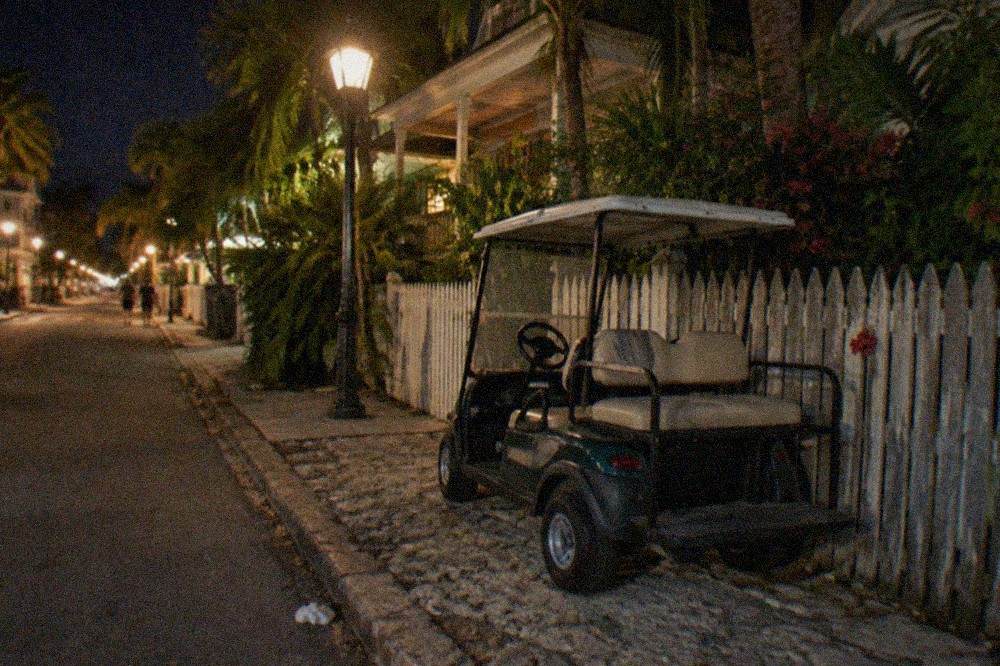
That leads to the second real risk: small vehicles. Bicycles, scooters and golf carts are everywhere, and pedestrians spill into the shared lanes all night. On Duval the traffic is slow enough that this is mostly a nuisance, but on the cross streets, where riders move faster, look both ways before stepping off a curb and do not assume a one-way street is one-way for cyclists. If you rent a scooter yourself, the risk calculus inverts: most serious visitor injuries in Key West involve riders, not walkers.
Alcohol and heat deserve a joint mention. The island's bar culture plus a subtropical climate means people drink more and notice it less, and even after sunset the humidity is real. Alternate water with anything else you are drinking, and treat dizziness as dehydration before treating it as anything spookier. This is an island where the emergency room sees plenty of visitors who simply did not drink water between 4 p.m. and midnight.
Property crime exists but skews opportunistic. Unlocked rental bikes vanish; phones left on bar counters walk away. Violent crime is concentrated away from the tourist corridor in disputes that do not involve visitors. Standard habits, pockets closed, valuables out of back pockets, nothing irreplaceable left on the beach, cover essentially the whole category.
For a fuller treatment of the island's after-dark reputation and what is documented versus what is storytelling, the site's is Key West haunted overview separates the two honestly.
Do Guided Ghost Tours Help With Night Safety?
Yes, in a practical, unglamorous way: a guided evening tour puts you in a group of 13 to 35 people on a route someone else has walked hundreds of times, ending at a known central point, for between $29.99 and $39.85 per person. It is not a security service, but it removes the three variables that cause most night problems in Old Town: being alone, being on an unfamiliar street, and having to improvise after dark.
The trolley format is the most conservative option, and it is worth saying why. The Trolley Of The Doomed, the island's only trolley ghost product, runs one hour from $39.85, holds a 4.4 rating across 1,392 reviews, and meets at 501 Front Street at the corner of Duval. You sit inside a vehicle on a narrated circuit of haunted sites, including the island's darker corners, without walking a single unlit block. For a visitor whose question is "is it safe at night," the honest answer is that a seated, wheeled tour makes the question almost irrelevant, and with the second-largest review pool on the roster, it is the format most visitors have already heard of.
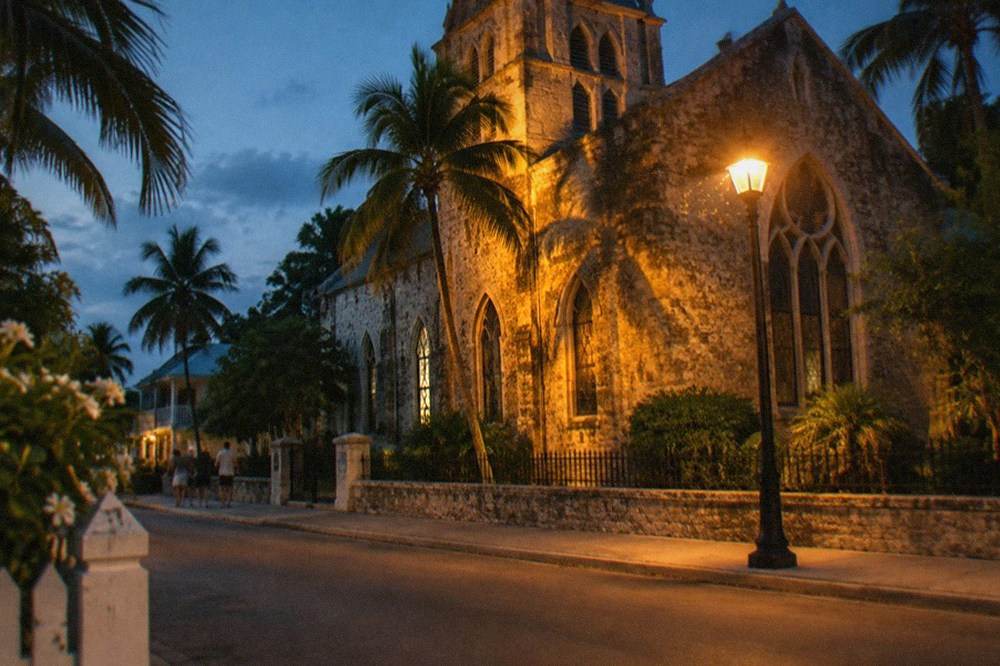
Walking tours trade that shelter for immersion, and the exposure is modest. The Adults-Only Dark Side Walk from Ghost City Tours of Key West meets outside St Paul's Episcopal Church at 401 Duval Street, runs 90 minutes from $34.99 with a 4.6 rating across 354 reviews, and caps groups at 30. It stays in the central Old Town corridor, the same streets a safe self-guided evening would cover. The Ghost and Mysteries Walk, the site's featured walk for this question, is smaller still: 16 travelers maximum, from $33, 90 minutes from 429 Caroline Street, and it passes known landmarks like the La Concha hotel and Robert the Doll's former Eaton Street home, so the route is central and well-populated the entire way.
The formats stack up side by side like this, using the roster's own verified figures:
| Product | Format | Price From | Duration | Group Cap | Rating |
|---|---|---|---|---|---|
| Trolley Of The Doomed | Seated trolley | $39.85 | 1 hour | Not stated | 4.4 from 1,392 reviews |
| Ghost and Mysteries Walk | Guided walk | $33 | 1.5 hours | 16 | 4.5 from 1,130 reviews |
| Adults-Only Dark Side Walk | Guided walk, 21+ | $34.99 | 1.5 hours | 30 | 4.6 from 354 reviews |
| Haunted History Walk | Family walk | $29.99 | 1.5 hours | 30 | 4.3 from 140 reviews |
| Bone Island Pub Crawl | Pub crawl, 21+ | $32.20 | 2 hours | 25 | 4.5 from 618 reviews |
Read the middle columns for the safety story rather than the ratings: every walking product keeps groups small and every meeting point sits inside the central Old Town corridor, which is exactly the zone this article has already established as the island's safest after dark. The two 21+ products trade family accessibility for a late-start crowd; both kick off between 8 and 8:30 p.m., when Duval is at full volume.
Two honest caveats keep this section from overselling the idea. First, a tour is not an escort: it ends where it started, and you still have to get from the meeting point back to your lodging. Second, the group safety benefit is real but ordinary; it is the same reason a pub crawl in any city feels safer than a solo walk, not a paranormal-services feature. Every product on this roster carries free cancellation on the live listing, so if your evening plans shift, the commitment is small.
For families weighing the same question with kids in tow, the site's ghost tours with kids guide covers which products have age minimums and which two walks are genuinely family-oriented.
What Should You Do If A Street Feels Wrong?
Trust the instinct and change direction toward light and people, which in Old Town is never more than a block or two away: head back toward Duval, toward any open bar or restaurant front, or toward the waterfront. Save the local police non-emergency number before your trip, use emergency services for anything urgent, and tell your guesthouse where you went if you are out alone late. Walking with purpose beats running.
The geography makes this easy advice to follow. Because the nightlife strip is a single mile-long spine, the "wrong" feeling usually means you have drifted onto a dark residential cross street, and the fix is one block in either direction. Streetlights on Duval itself are dense. The numbered streets perpendicular to it alternate between commercial and residential, so if the block you are on has house fronts and no open storefronts, take the next corner back toward the noise.
Rides are cheap and abundant when you simply do not feel like walking. A taxi or ride-hail from the far end of Old Town to most guesthouses is a five-minute trip, and the island's small size means the decision to stop walking is nearly costless. This is the practical upside of a town two miles wide: retreating is never a big detour.
The same logic applies to timing. If you are a solo traveler and the question is a real one for you, front-load your evening: sunset at Mallory Square, dinner by 8, and a guided 7:30 or 8 p.m. walking tour puts you back at a central point by 9:30, still with full daylight-level street activity around you. The pub crawls on the roster start at 8 and 8:30 p.m. and run about two hours, which lands you at 10 or 10:30 with the nightlife still at full volume, an easy walk from anywhere central.
What Free Things Can You Do At Night In Key West?
The two free anchors are the Mallory Square sunset celebration, a nightly waterfront gathering of performers and vendors that starts about two hours before sunset, and simply strolling Duval Street and Old Town, which cost nothing and stay lively past midnight. Add the harbor-side walk and late-night people-watching and you have a full free evening on the safest streets in town.
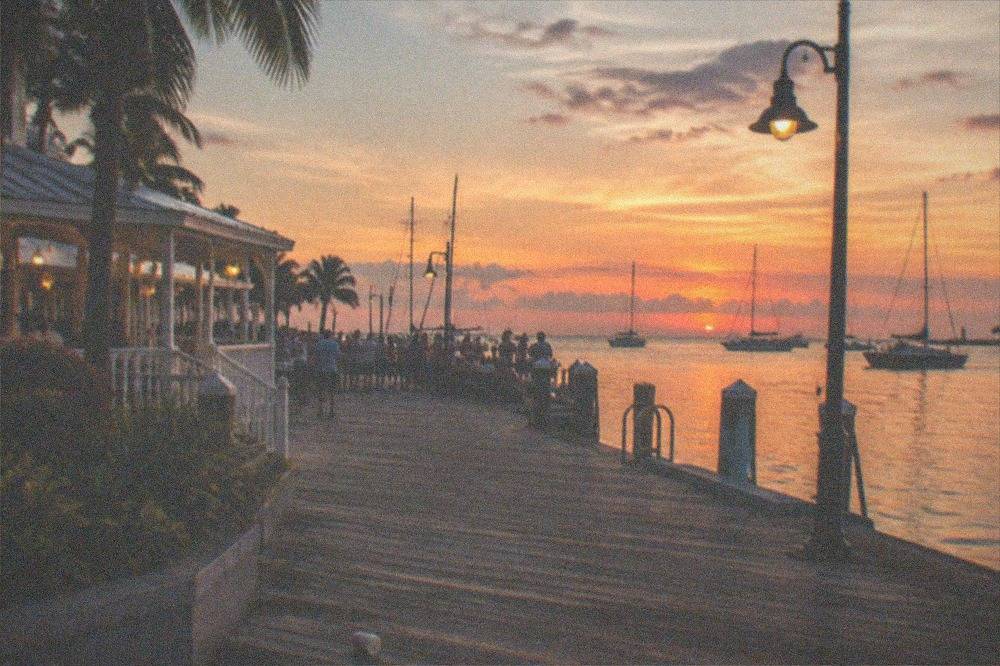
The sunset celebration deserves its reputation. It is free, it runs 365 nights a year weather permitting, and it concentrates several hundred people, street performers, fire acts, musicians and artists on the waterfront every evening. Costs are optional: tips for performers, purchases from vendors. As a night-safety matter, it is the best-lit, most populated free thing on the island, and it starts early enough that the walk home happens in the busiest hours.
After that, Old Town itself is the entertainment. Music spills from the bars onto the sidewalk, storefronts stay lit, and the people-watching on Duval is unscripted street theater that costs nothing to stand in. For a fuller rundown of free and low-cost evening options, including what the city's own municipal pages say about public spaces, see the site's free things to do in Key West at night guide.
A note on the "free walking tour" idea specifically: some visitors arrive expecting a tip-based free walking tour of the kind found in bigger cities. Reliable, currently bookable options of that type are not easy to pin down for Key West on any given date, and the honest recommendation is to plan on the free self-guided staples above or a paid guided walk, rather than counting on a free-tour listing that may not be running when you are there.
The guided middle ground is cheap by tour standards. The Haunted History Walk, the budget walking product on the roster, runs from $29.99 with a family-friendly route past St Paul's Episcopal Church and the Audubon House, and the cheapest pub crawl starts from $27, though with no rating shown yet as a newer listing. Between free and $35 lies most of the after-dark island.
The Bottom Line On Night Walking In Key West
Walk Old Town at night with confidence and basic street sense: stay on Duval and the busy cross streets, wear real shoes, mind scooters, keep water handy if you are drinking, and ride instead of walk on the rare night something feels off. Book any guided after-dark activity ahead if you are coming in October. The island's biggest night risk is a twisted ankle, not its ghosts.
That last line is not a joke at the island's expense, it is the actual hierarchy of risk. The haunted reputation that draws visitors, the doll in his case at Fort East Martello, the "most haunted city" framing that operator sites repeat, is storytelling layered on real documented history, and none of it will touch you on a Duval sidewalk. Wet brick, a scooter at speed and your third rum runner are the things with a statistical claim on your evening.
The guided options covered here all operate year-round, with the practical detail that October demand, Fantasy Fest crowds and weekend popularity make advance booking the sensible default. Every product on this site's roster carries free cancellation on the live listing, so locking a spot early costs you nothing if plans change.
If you are still weighing the formats, the trio below covers the three evening approaches most visitors end up choosing.
Common Questions About Walking Around Key West At Night
Is It Safe To Walk Around Key West At Night?
Yes, for most visitors. Old Town and Duval Street stay lit, busy and patrolled well past midnight, and the realistic risks are uneven sidewalks, scooters and alcohol-related mishaps rather than violent crime. Stay on the main commercial streets, wear sensible shoes, and ride rather than walk on the rare occasion a street feels wrong.
Is Key West safe for solo travelers after dark?
Generally yes, in Old Town. The main strip is populated until late, and solo visitors who front-load their evenings, sunset at Mallory Square, an early dinner, a 7:30 p.m. guided walk, rarely walk alone on empty streets at all. Standard solo-travel habits apply, and a five-minute cab ride ends any walk that feels long.
What time does Duval Street get quiet?
Roughly 2 a.m., when the bars close, with the street effectively empty between about 3 a.m. and sunrise. Before that, central Duval is busy seven nights a week, and on weekends, holidays and during Fantasy Fest it runs at full volume past closing time.
Is it safe to walk from Duval Street to Fort East Martello at night?
No, not because of crime but because it is not a walking route. The fort sits on South Roosevelt Boulevard near the airport, roughly five kilometers from Old Town on a fast, car-oriented road. Visit by car, taxi or a short ride; the fort's own visiting hours end at 5 p.m. anyway, and its after-dark programming is run as ticketed events with on-site parking.
Do ghost tours run in bad weather?
Outdoor walking tours are weather-dependent, and summer evenings can bring sudden heavy rain. Every product on this site's roster carries free cancellation on the live listing, so check the forecast and rebook rather than walking a slick brick lane. The trolley format is the most weather-proof evening option since it is seated and enclosed.
Is Key West safe at night during Fantasy Fest?
Yes, and in some ways safer than usual: central blocks of Duval are closed to cars and given over to pedestrians, with heavy security presence for the October 16 to 25, 2026 festival and the October 24 main parade. The real challenges are crowd density, late hours and the cost of lodging, not street safety. Book anything guided well in advance.