Why Can't You Take Pictures Of Robert The Doll?
Photography is allowed at Fort East Martello, but the museum's own framing ties photos without permission to bad luck and apology letters. Here is what the official story says and what is actually documented.
Why Can't You Take Pictures Of Robert The Doll?
You can photograph Robert the Doll, and the museum does not ban cameras. The "can't" in this question comes from the museum's own bad luck framing: visitors who snap a picture without first asking the doll's permission, as the official site tells it, report misfortunes afterward and write apology letters. No posted rule prohibits photos, so the real answer is that you can, but many people choose not to risk it.
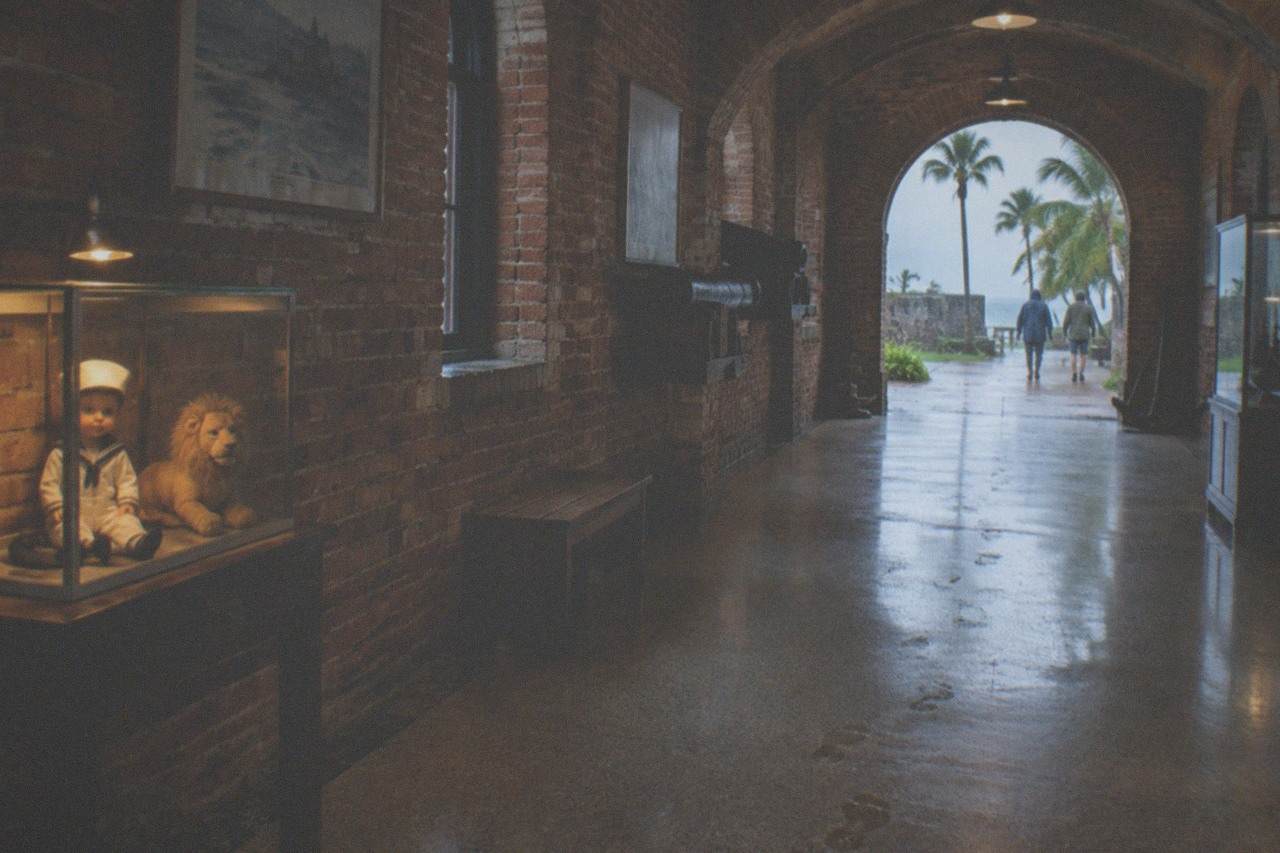
Robert the Doll has sat under glass at the Fort East Martello Museum, 3501 South Roosevelt Boulevard, since Myrtle Reuter donated him to the Key West Art and Historical Society in 1994. The display case that holds him is not cordoned off like a no photography exhibit, and the museum's visitor information does not list a camera restriction anywhere. What it lists instead, in the official framing on the doll's own site, is a steady stream of apology letters from people who took a picture without asking and then ran into a flat tire, an injury, or a stretch of bad luck they could not explain. The volume is not small: the site describes letters arriving daily.
That is the core of the confusion. The question sounds like it is asking about a posted rule, something a security guard would enforce, and the honest answer is that no such rule exists. The "can't" is social rather than institutional, a local legend that grew out of the Otto family's stories, hardened by decades of visitor letters, and kept alive by tour guides and the museum's own storytelling. A guest can walk in, pay admission, and take a clear photo of the doll through the glass. Plenty of people do exactly that and report nothing strange at all.
If the goal is to see Robert up close without the daytime crowd, the after dark route is worth knowing before you plan. The VIP Robert the Doll After Dark Ghost Hunt runs two hours at the fort, beginning with a guided tour and a seated encounter with the doll, then handing over ghost hunting equipment for an independent investigation. It is the obvious pairing for anyone who wants the full story in one night, and it starts from $99 with a 4.7 rating across 173 reviews.
What Does The Museum Actually Say About Taking Photos?
The Fort East Martello Museum publishes no photography ban for the Robert the Doll exhibit. Its official site, run by the Key West Art and Historical Society, frames the photo rule as a matter of respect and bad luck: visitors who photograph the doll without asking permission are said to invite misfortune, and the museum keeps the apology letters those visitors send. Standard museum courtesy applies, but no guard will stop a camera.
Admission at the fort runs $17 for adults at the door and $15.50 online, and the museum is open every day from 10:00 a.m. to 5:00 p.m. with last admission at 4:30 p.m., per the official Fort East Martello Museum page. The doll sits in a protective case among permanent exhibits that also include "Stanley Papio: Junkyard Rebel" and "Ghosts of East Martello." Nothing in the visitor information singles out Robert as a no photo object, which catches a lot of first time visitors off guard after they arrive expecting a sign.
The case itself has become part of the story. In late 2025, museum curator Cori Convertito discussed an upgraded protective case in interviews, and the framing repeated a familiar pattern: the doll is well shielded from fingers and flashes, but the real deterrence has never been physical. It is the weight of the letters, the ones that arrive from people apologizing for a photo or a mocking comment, sometimes months after their visit. December 2025 coverage put the volume in plain terms: Robert receives hundreds of letters and emails a year from people who believe they offended him, and the museum keeps them as part of the exhibit rather than filing them away.
That volume is the institution's own strongest explanation for why the question keeps getting asked. A no photo sign would be simple to post, but the museum has chosen a subtler message, one that treats the doll as something closer to a person than an artifact. Guests are free to photograph him, and the museum would rather they understand the story first than fear the consequence.
Where Did The Bad Luck Story Come From?
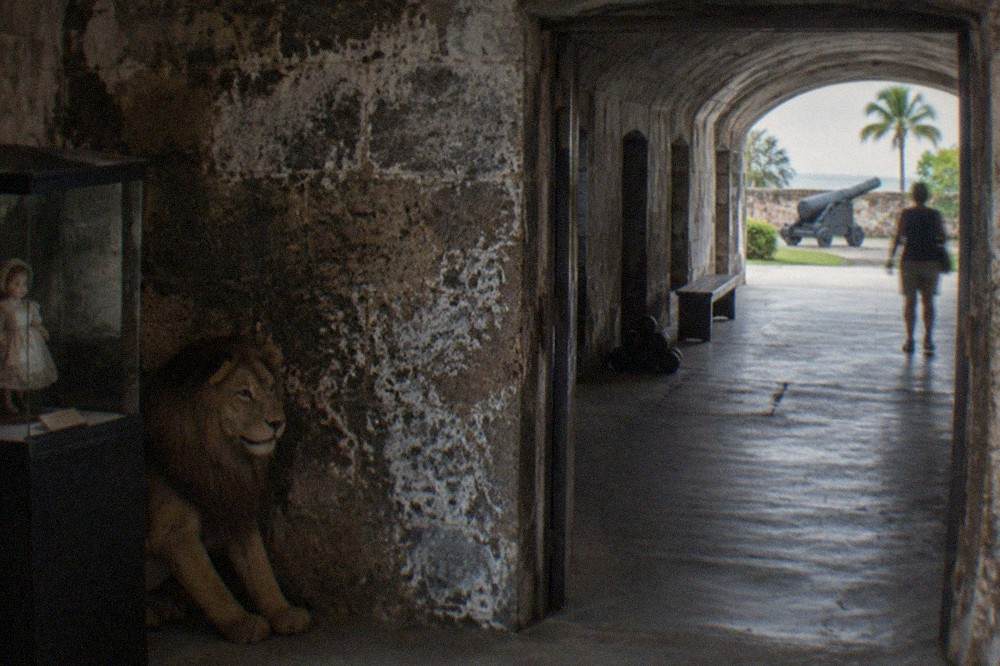
The story grew from the Otto family's own telling. Gene Otto reportedly blamed childhood mischief on the doll, his parents described hearing a second voice answer him, and after Gene's death the doll stayed in the family home, where later owners claimed to hear footsteps and giggling from the attic. When Myrtle Reuter donated Robert in 1994, she said he had moved on his own and was haunted.
The official biography on the doll's story page traces the legend to a one of a kind handmade doll from the German Steiff Company, made around 1904 and gifted to Robert Eugene Otto, a Key West boy who went by Gene. The site presents the famous line, "I didn't do it, Robert did it," as the childhood refrain that first framed the doll as a scapegoat for bad behavior. From there the family lore layered on: Gene reportedly talked to the doll and heard a different voice answer, and his parents described seeing the doll's expression change. The page labels these as family lore and legend, not independently verified events, and that distinction is important.
The photo specific part arrived later, after the doll had passed out of the Otto family. Gene's wife Anne was said to be uncomfortable with Robert and had him moved to the attic of the Artist House at 534 Eaton Street, and visitors and neighborhood children later reported footsteps and giggling from that attic and saw the doll watching from a window. Photographs enter the story with the museum era: visitors who snapped a picture without a polite request began writing in about car trouble, broken bones, and other misfortunes they linked to the doll. The curse is a visitor era addition, not an Otto family claim.
That is the honest shape of it. The documented history is a real doll with a real owner and a real donation. The photo curse is a real visitor phenomenon, but it is a claim made by the people who write the letters and repeated by the museum, not a finding any researcher has confirmed. The guides who work these routes hear the question constantly, and the site that publishes these guides, Key West Ghost Tours, keeps the distinction clean: the history is documented, and the curse is the story built on top of it.
What Is The Real, Documented History Of The Doll?
Robert is a real, one of a kind handmade doll from the German Steiff Company, made around 1904 and given to Robert Eugene Otto. The documented record places him at the Artist House on Eaton Street in Gene Otto's care, then with a later owner, Myrtle Reuter, until her 1994 donation to the Key West Art and Historical Society. He has been on permanent display at Fort East Martello since.
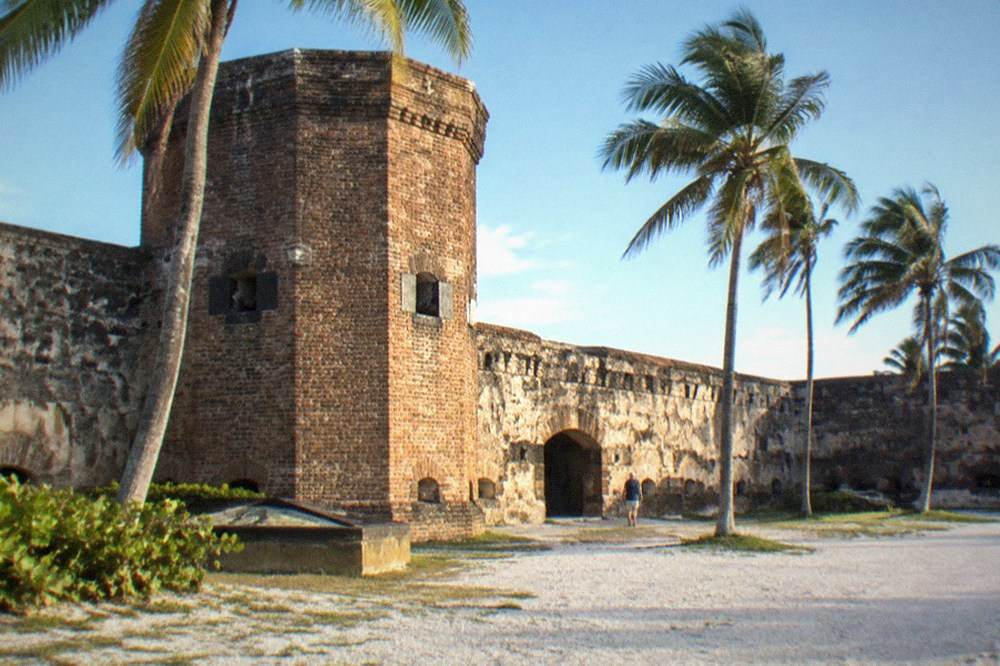
Fort East Martello itself predates the doll by decades. Built as a Civil War era fort, it stood in a Union controlled Key West even though most local citizens supported the Confederacy, a tension the museum's own history section opens with. The fort never saw major combat, and by the time Robert arrived it had become the home of the society's folk art and history collections. The doll joined permanent exhibits named "Robert the Doll," "Stanley Papio: Junkyard Rebel," and "Ghosts of East Martello," which tells you something about how central he is to the place. For the fuller visitor guide to the fort and the doll, the hours, admission tiers, and exhibit layout are all covered in one place.
Gene Otto, the boy who received the doll, grew up to become a prominent local artist, and he designed the art gallery at Fort East Martello Museum, a neat piece of symmetry that the museum's own materials note. The sailor suit Robert wears once belonged to Gene. The doll stands 40 inches tall and is stuffed with excelsior, wood wool, and that kind of detail matters because it grounds the story in a real object rather than a campfire tale. The Steiff company origin, around 1904, is the documented anchor everything else hangs from.
The 1994 donation is the pivot point. Myrtle Reuter, who owned the Artist House after Gene's death in 1974, took Robert with her when she moved, and when she gave him to the historical society she said he had "moved on his own" and was haunted. The doll has not left Fort East Martello's permanent display since 1994, and the unrelated 2026 Scottish horror film "Robert Returns" has no connection to the Key West attraction, a confusion the museum's framing is careful to avoid (see Fantasy Fest Guide).
| Claim or framing | Where it comes from | What is actually documented |
|---|---|---|
| The doll talks back | Otto family lore on the official story page | Family reported hearing a different voice answer Gene, presented as legend |
| The doll's expression changes | Otto family lore | Reported by Gene's parents, not independently verified |
| Footsteps and giggling in the attic | Artist House era stories | Reported by visitors and neighborhood children, presented as folklore |
| Bad luck follows unauthorized photos | Museum framing and visitor letters | Visitors do write letters in the hundreds each year, but no researcher has confirmed a causal link |
| Robert "moved on his own" | Myrtle Reuter's 1994 donation statement | Her own account at the time of donation, kept as such by the museum |
Can You See Robert The Doll After Dark On A Ghost Hunt?
Yes, and the after dark option is the closest thing to a photo permission reset. The VIP Robert the Doll After Dark Ghost Hunt runs two hours at Fort East Martello, starting with a guided tour of the fort and a seated encounter with Robert, then moving into an independent paranormal investigation with ghost hunting equipment. It holds a 4.7 rating from 173 reviews and starts at $99.
The daytime museum visit and the after dark ghost hunt answer different questions. During the day you stand outside the case with other visitors and read the apology letters. At night the fort empties, the guide works through the same history with a smaller group of no more than 25 travelers, and the seated encounter with Robert becomes the centerpiece rather than a stop along the way. The museum itself stays dark and quiet around you, and that change in setting is the whole appeal for people who found the daytime gallery too quick.
Two other equipment based products are worth knowing before you book. The Haunted Firehouse Investigation takes a small group capped at 13 people per night into the 1907 firehouse, runs about two hours, and carries a 5.0 from 11 reviews at $95. It is the closest thing to a stationary investigation, an audio tour followed by an independent session inside the historic building, and it suits travelers who want the equipment experience without walking between stops.
The Equipment Ghost Hunt is the budget pick in the same family: 1.5 hours from $45, ages 16 and up only, with dowsing rods, EMF meters and a spirit board used at several haunted Key West locations. A 4.6 rating from 112 reviews puts it among the better reviewed small group hunts in town, and the 16 plus age rule keeps the group adult and focused, which matters when the equipment invites everyone to lean into the quiet.
The after dark encounter with Robert is the only one of the three to include the seated meeting with the doll itself, and for most people who arrive because of the photo question, that is the moment they came for. It caps the group at 25 travelers and bundles the fort tour, the seated visit, and the investigation equipment into one two hour block. The after dark encounter with Robert starts at $99 and carries free cancellation on the listing. Check availability
| Decision name | Price | Duration | Rating and reviews | Format |
|---|---|---|---|---|
| Fort East Martello Ghost Hunt | From $99 | 2 hours | 4.7 from 173 reviews | Guided fort tour, seated Robert encounter, independent investigation |
| Haunted Firehouse Investigation | From $95 | About 2 hours | 5.0 from 11 reviews | Audio tour plus independent investigation in the 1907 firehouse, 13 people max |
| Equipment Ghost Hunt (16+) | From $45 | 1.5 hours | 4.6 from 112 reviews | Ghost hunt with dowsing rods, EMF meters and a spirit board, ages 16+ |
What Do Visitors Report After Photographing Him?
The reports follow a consistent shape: someone photographs the doll without asking, something goes wrong after the trip, and the person decides the two are connected. The museum's own site describes a daily stream of apology letters from people who blame a photo or a mocking comment for later car trouble, injuries, or other misfortune. No independent research confirms the link.
The letters are part of the display, not a side archive. Visitors write to apologize for photographing Robert without permission or for laughing at him, and the museum keeps them, reportedly receiving hundreds each year. A February 2026 account on a public forum described a daytime visit where the writer felt uneasy elsewhere in the fort but calm directly in front of Robert's glass case, greeted the doll, wrote on a chalkboard, and felt the anxiety return only after leaving the gallery. Anecdotes like that are common, and they match the museum's framing: the discomfort is real to the people who feel it, and the doll's reputation does the rest. For more on exactly what visitors say after an encounter, the reports split between unease and nothing at all, which is the honest spread.
What none of this establishes is a mechanism. No study has linked a photograph of a doll to a subsequent flat tire, and curatorial staff have been careful in interviews to describe the reports as visitor experiences rather than verified phenomena. When curator Cori Convertito discussed the upgraded protective case in November 2025, the language stayed on the side of what people believe happened to them, not what the museum claims happened. That distinction is the reason this page exists: the story is real, the people are real, and the curse is a belief held by people, not a fact to be proven.
The practical takeaway is just respect. Ask before you raise the camera, the way you would ask a person, and the question dissolves. If you would rather skip the photo entirely and spend the night inside the fort instead, the after dark format does not require a camera at all, which is its own kind of permission.
Is The No Photos Rule Legally Enforced?
No. There is no city ordinance, museum bylaw, or posted sign that makes photographing Robert the Doll illegal or even against the rules. The museum's published visitor information does not mention a camera restriction for the doll exhibit, and the standard practice is that guests may photograph the collection for personal use. The no photos reputation is entirely a matter of the legend.
Fort East Martello is no different from most small museums on this point. Flash photography may be discouraged in galleries for conservation reasons, and a large tripod or professional shoot would need the museum's permission, but a phone camera in front of the case is ordinary. The Key West Art and Historical Society's main site and the fort's own page list hours, admission, and exhibits, and none of them carve out Robert as a restricted object. Anyone who tells you a guard will confiscate your phone is working from the same legend, not from policy.
That does not mean the experience is consequence free in the social sense. A guest who loudly announces their disbelief or treats the doll as a joke will get side eye from other visitors who take the story seriously, and the staff have heard every variation of the debate. The wisest read is that the rule is not enforced by anyone in uniform because the rule is not real, but the legend is enforced by the room itself, by the letters on the wall, and by the weight of a hundred years of stories. Quiet and a lowered voice will get you further than any sign.
For the full experience without the debate, the after dark tour sidesteps the question nicely: you sit with Robert in a quiet fort with a guide who tells the same history, and no one is taking photos at all. It is the cleanest answer to the whole dilemma, and it is the product this article pairs with the question.
Should You Take A Picture When You Visit?
That is your call, and either choice is defensible. If the legend bothers you, skip the photo, you will not miss anything the case does not already show. If you want the picture, ask the doll's permission first, the way the museum's own framing suggests, and take it respectfully. The museum allows it, and thousands of visitors do it every year without incident.
The strongest argument for taking the photo is also the most practical: the case is well lit, the doll is small enough to frame easily, and the picture will mean something to you later. The strongest argument against it is not the curse but the crowd. During the daytime high season the exhibit can feel rushed, and a hurried photo taken over someone's shoulder is not a memory worth keeping. If the photo is the point, go at opening or near closing, when the gallery thins out and you can stand in front of the case without a line behind you.
A third option is to visit at night through the after dark ghost hunt, where the smaller group and the seated format give you time with Robert that the daytime gallery cannot. The encounter is guided, the fort is quiet, and the experience ends with the equipment investigation rather than a line at the exit. That product, the VIP Robert the Doll After Dark Ghost Hunt, is the one to compare against plain daytime admission if the doll is the reason for your trip, and it includes the fort tour the daytime ticket skips.
Whatever you decide, separate the two questions. The documented history is settled: a Steiff doll from around 1904, a Key West boy named Gene, a donation in 1994, and a permanent home at Fort East Martello. The photo question is not settled because it was never a policy question at all. It is a story about permission, and the only person whose permission the legend actually asks for is Robert's.
Common Questions About Photographing Robert The Doll
Why Can't You Take Pictures Of Robert The Doll?
You can take pictures, and the museum posts no ban. The story comes from the museum's own framing that photographing the doll without asking permission invites bad luck, a claim built on the Otto family's lore and hundreds of visitor apology letters, not on any posted rule or ordinance.
Is It Illegal To Photograph Robert The Doll?
No. There is no law, city ordinance, or museum policy against photographing the doll. Personal photography is allowed in the exhibit, and the only restrictions would be standard museum ones such as no tripods without permission or flash limits for conservation.
What Happens If You Take A Photo Of Robert The Doll?
The museum's official framing says visitors who photograph the doll without permission have reported misfortunes afterward and written apology letters by the hundreds each year. Those reports are the museum's own narrative, presented as visitor experiences rather than independently verified phenomena.
Where Is Robert The Doll Right Now?
Robert the Doll remains on permanent display at the Fort East Martello Museum, 3501 South Roosevelt Boulevard, Key West, where he has been since Myrtle Reuter donated him to the Key West Art and Historical Society in 1994.
Do You Need Permission To Photograph Robert The Doll?
Not in any official sense. No permission slip or special ticket is required. The permission the legend refers to is asking the doll himself before you raise the camera, a courtesy the museum's own storytelling encourages rather than a rule the staff enforce.