Is There Anyone Famous Buried In Key West Cemetery?
Notable graves in Key West Cemetery, from Sloppy Joe Russell and B.P. Roberts to Elena Hoyos and William Curry, plus how to visit them honestly.
Is There Anyone Famous Buried In Key West Cemetery?
Yes, several. Key West Cemetery holds genuinely notable graves, including Joseph "Sloppy Joe" Russell, the saloonkeeper and Hemingway associate; B.P. "Pearl" Roberts, whose headstone draws more photographers than any other in the Keys; Ellen Mallory, mother of a Confederate Navy secretary; and William Curry, Florida's first millionaire. None are Hollywood names, but every one anchors a real chapter of island history.
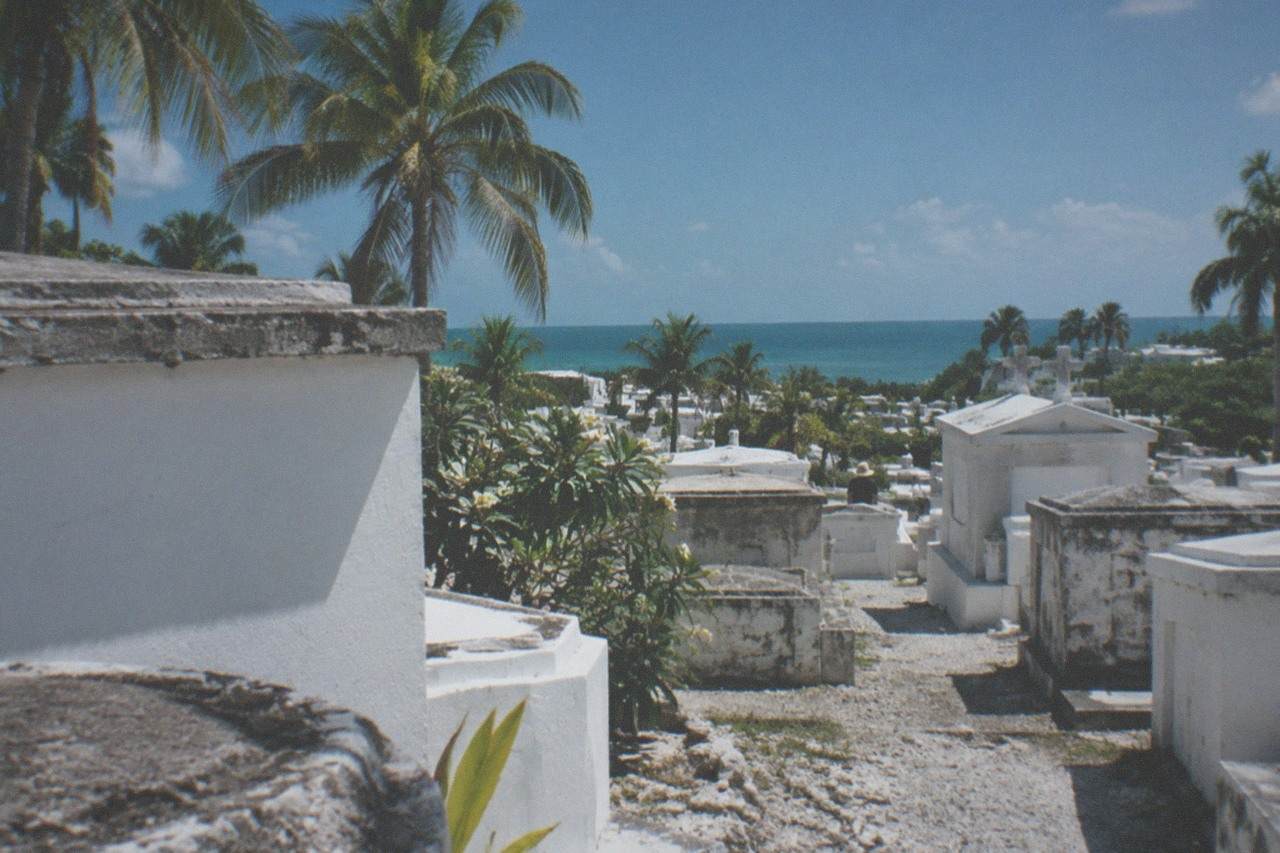
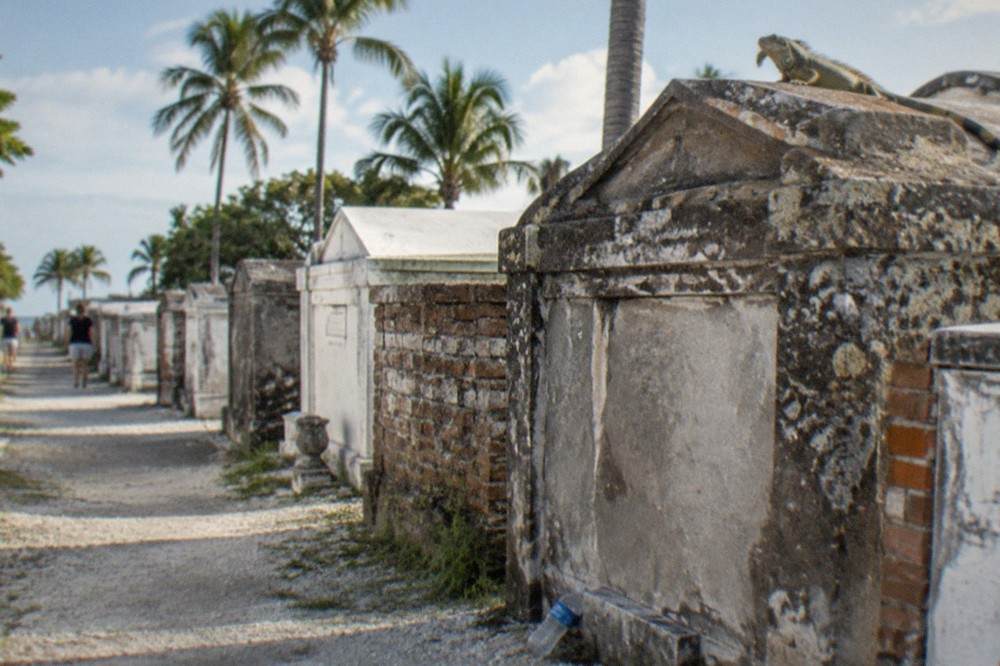
The cemetery sits on Solares Hill, the highest natural point on the island, at 701 Passover Lane. It covers 19 acres and belongs to a city that takes its dead seriously: the City of Key West owns and operates the burial ground, and the city's own materials estimate somewhere between 80,000 and 100,000 burials across its historic sections. That density is exactly why the "famous graves" question gets asked so often. With that many stones on a small hill, a handful of them were bound to carry stories worth traveling for.
Visitors usually arrive with three names in mind. Sloppy Joe Russell, who ran the bar where Ernest Hemingway drank during his Key West years and whose nickname lives on in Duval Street signage. B.P. Roberts, the local woman whose reported epitaph, "I Told You I Was Sick," has made her stone a pilgrimage site for epitaph hunters. And Elena Hoyos, the young tuberculosis patient whose grave sits at the center of the Carl Tanzler case, the strangest and best-documented story in the cemetery's history. Each of those gets its own section below, with the folklore clearly separated from the record.
One honest note before the roll call. No walking tour, trolley ride or pub crawl on this site's roster makes the cemetery its dedicated stop. The closest bookable option is the Ghost and Mysteries Walk, a 1.5-hour guided walk from $33 rated 4.5 across 1,130 reviews, which covers haunted Old Town sites such as Robert the Doll's former home and the La Concha hotel. The cemetery itself is best visited on its own, either self-guided or through the small-group stroll program run for restoration fundraising, and this article lays out both routes.
For readers who want the short version of the famous-graves question, the table further down lists each notable burial with dates and why it matters. For everyone else, the history of why those graves sit on this particular hill explains a lot about what you will actually see when you get there.
Why The City Buried Its Dead On Solares Hill In 1847
The cemetery dates to 1847, established after the hurricane of October 11, 1846 destroyed the earlier burial ground near Whitehead Point and Higgs Beach and scattered its remains. The city bought land on Solares Hill, the island's highest natural ground, to make sure it never happened again. Some stones were carried up from the destroyed site, which is why markers predate the cemetery itself.
That hurricane is the pivot point of the whole site. Before 1846, Key West buried its dead near the water, on low coastal ground that a storm surge could reach. The 1846 hurricane proved how badly that arrangement could fail, and the response was practical rather than sentimental: move everything uphill, above anything the sea could touch. The 19 acres on Solares Hill have held the city's dead ever since, and the cemetery remains active today, with private family plots that descendants still tend themselves.
The relocation also explains the cemetery's oldest markers, a detail that surprises many visitors. The oldest legible relocated marker is Capt. James Johnson's, dated 1829, cut in Norfolk and moved up from the earlier ground. A second early stone records the death of Capt. John H. Sawyer in 1843. Both predate the 1847 founding by years, so "oldest grave" and "oldest cemetery" are two different questions here, a distinction covered in more depth in the sibling piece on the oldest grave in Key West Cemetery.
The founding decade shaped the roll call, too. The graves that draw the most attention cluster among mid-19th-century island families, the merchants and mariners who built Key West after it moved uphill. Touring the cemetery pairs naturally with an evening walk through Old Town afterward, and the Ghost and Mysteries Walk, which meets at 429 Caroline Street, covers the haunted landmarks of that same historic quarter once the sun goes down.
The Notable Graves, Name By Name
The short list includes Joseph "Sloppy Joe" Russell (1889 to 1941), the bar owner and Hemingway associate; B.P. "Pearl" Roberts (1929 to 1979); Ellen Mallory (1792 to 1855), early settler and mother of Confederate Navy Secretary Stephen Mallory; Duncan Cameron (1810 to 1855), foreman of the 1847 lighthouse; William Greene (1813 to 1860); and William Curry (1824 to 1896), Florida's first millionaire.
Each of these deserves a line of context, because the stones themselves are modest and easy to walk past. Russell ran the saloon that Hemingway made famous, and local history sources describe him as one of the writer's closest Key West drinking companions. Ellen Mallory ran a boarding house in the early settlement years and raised Stephen Mallory, who went on to serve as Secretary of the Confederate Navy. Her headstone notes a birth year of 1792, earlier than anything else legible in the ground, though she died in 1855 and was buried after the cemetery opened. Cameron was the Scottish foreman on the 1847 Key West Lighthouse. Curry arrived in Key West in 1847 and built a mercantile fortune that made him Florida's first millionaire, with family monuments still standing in the cemetery.
| Name | Lived | Why the grave matters |
|---|---|---|
| Joseph "Sloppy Joe" Russell | 1889 to 1941 | Bar owner and Hemingway associate; his nickname survives in Duval Street lore |
| B.P. "Pearl" Roberts | 1929 to 1979 | The reported "I Told You I Was Sick" headstone, the cemetery's most visited stone |
| Ellen Mallory | 1792 to 1855 | Early settler and boarding-house operator; mother of Confederate Navy Secretary Stephen Mallory |
| Duncan Cameron | 1810 to 1855 | Scottish foreman of the 1847 Key West Lighthouse |
| William Greene | 1813 to 1860 | Son of one of Key West's founders |
| William Curry | 1824 to 1896 | Arrived 1847; became Florida's first millionaire through mercantile trade |
Beyond individual graves, two memorials draw their own visitors. The USS Maine plot, dedicated in 1900, honors crew members of the battleship whose destruction helped start the Spanish-American War. Los Martires de Cuba, "To the Martyrs of Cuba," honors fighters from the Cuban independence struggles; Key West housed a large Cuban exile community of cigar workers who funded that cause, and José Martí organized in the city during those years. For more on the notable-graves angle from a planning perspective, the Key West Cemetery ghost tour guide on this site walks the whole question of how to see the ground responsibly.
The Epitaphs And The Story Behind "I Told You I Was Sick"
Two headstones drive nearly all the camera traffic. B.P. "Pearl" Roberts's stone is widely and consistently reported by local news and history sources as reading "I Told You I Was Sick," and Gloria M. Russell, who shares a related crypt, is reported with the line "I'm just resting my eyes." The Roberts wording is well documented in local coverage, though this site treats exact epitaph text as reported rather than certified.
Roberts is remembered locally as a hypochondriac, a framing that appears repeatedly in Florida history coverage, and the headstone has become the single most photographed grave in the cemetery. Independent coverage, including local newspaper features and national oddities write-ups, uses the same wording for the stone, which is why this site is comfortable repeating it with attribution to those sources rather than presenting it as a certified inscription. If you visit and photograph it, compare what the stone actually says with what the internet says it says.
The Roberts grave also illustrates something about cemetery tourism that is worth stating plainly: the famous graves here are famous for character, not celebrity. Nobody buried on Solares Hill headlined a film or led a nation. The draw is texture, a bar owner, a millionaire, a lighthouse builder, a woman who joked about her own death, laid together on one small hill. That is a different errand than grave-hunting at Arlington or Père Lachaise, and visitors who arrive expecting grand monuments sometimes leave disappointed while visitors expecting island character leave delighted.
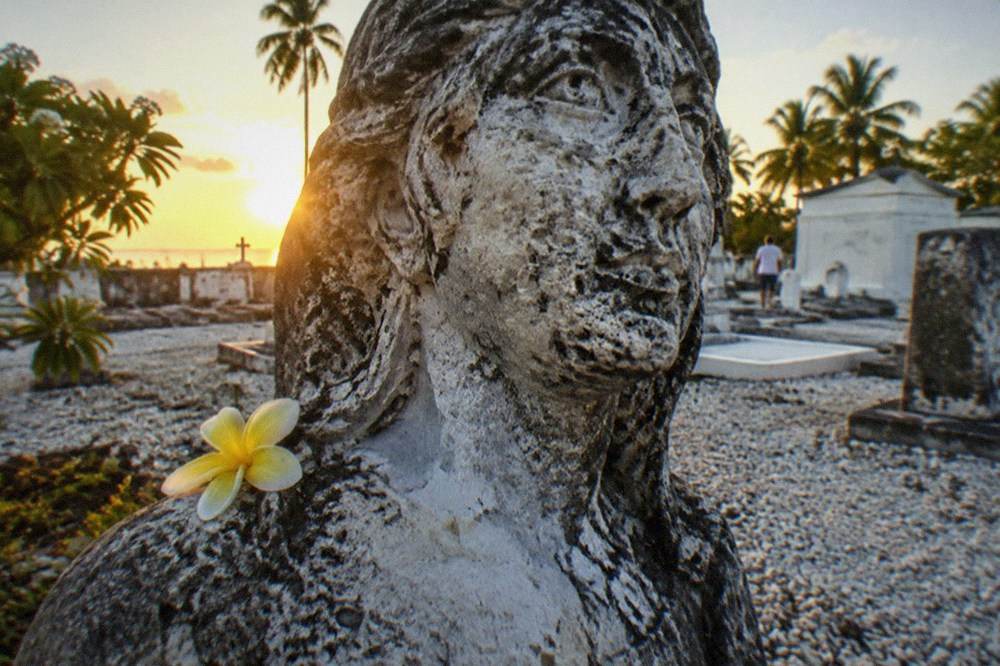
Ghost-tour storytelling leans on the cemetery's atmosphere, and it is only fair to label that for what it is. Tour-operator and enthusiast sites describe after-dark sightings and sounds in the ground, including an apparition described as a Bahamian woman, a child's voice, and a described presence near Elena Hoyos's former mausoleum. These are stories told by the tour trade, not documented phenomena, and this site presents them strictly as local lore. The documented history on the hill is strange enough on its own.
Elena Hoyos And The Carl Tanzler Story
Elena Hoyos is buried here, and her grave anchors the cemetery's most documented macabre case. Carl Tanzler, who went by Count Carl von Cosel, is documented to have removed her body from the cemetery years after her death and kept it at his home until the discovery in 1940. The case is real history, not folklore, though exact dates deserve care.
Hoyos was a young Cuban-American woman who died of tuberculosis in 1931, and Tanzler was the radiologic technologist obsessed with her. The documented record holds that he removed her body from the Key West Cemetery years after her death and kept it at his home until the discovery in 1940, a case that made national newspaper headlines and still gets retold in every serious history of the island. Sources spell his name both Carl Tanzler and Carl von Cosel, and precise dates in his story are treated here as documented history rather than quoted to the day. The full story, including what happened after the discovery, has its own longread in the Carl Tanzler and Elena Hoyos story guide on this site.
What makes the case useful to this article's question is that it is the one cemetery story that is not folklore. The hauntings described around the ground are storytelling. The Tanzler case is court records and newspaper archives. Visitors who want the eerie side of Key West with the history load-bearing can pair a daytime cemetery visit with an evening investigation, and the roster's deep-dive option is the Fort East Martello Ghost Hunt, a 2-hour paranormal investigation from $99 rated 4.7 from 173 reviews, which includes a guided fort tour, a seated encounter with Robert the Doll, and independent time with ghost-hunting equipment, capped at 25 travelers per night.
The doll himself is not buried here, of course. Robert lives at the Fort East Martello Museum, on display since the 1994 donation to the Key West Art & Historical Society, and his former childhood home, the Artist House on Eaton Street, sits in Old Town where several walking tours pass it. The cemetery and the doll are the two poles of Key West's dark-tourism map, and travelers usually end up at both.
Can You Tour The Cemetery, And Which Ghost Tours Pass Nearby?
Three ways, honestly. The Historic Florida Keys Foundation runs seasonal Cemetery Strolls, interpreted small-group walks of roughly 90 minutes with a $20 suggested donation and required reservations. Self-guided visits are free. And for after dark, the Ghost and Mysteries Walk covers haunted Old Town sites, though no product on this site's roster makes the cemetery itself its dedicated stop.
The Cemetery Strolls program is the closest thing to an official guided visit. The Key West Chamber of Commerce has promoted recent strolls, including a January event in the current season, and the Historic Florida Keys Foundation runs them as fundraisers for restoration and education, with interpreters delivering stories at the gravesides. Departures are staggered through the morning, reservations are required by phone or email, and the donation supports gravestone repair, which is a cause the ground genuinely needs given the ongoing preservation debates over tree roots and neglected plots. It is a separate, independent program, not a bookable product on this site, and it is described here exactly that way.
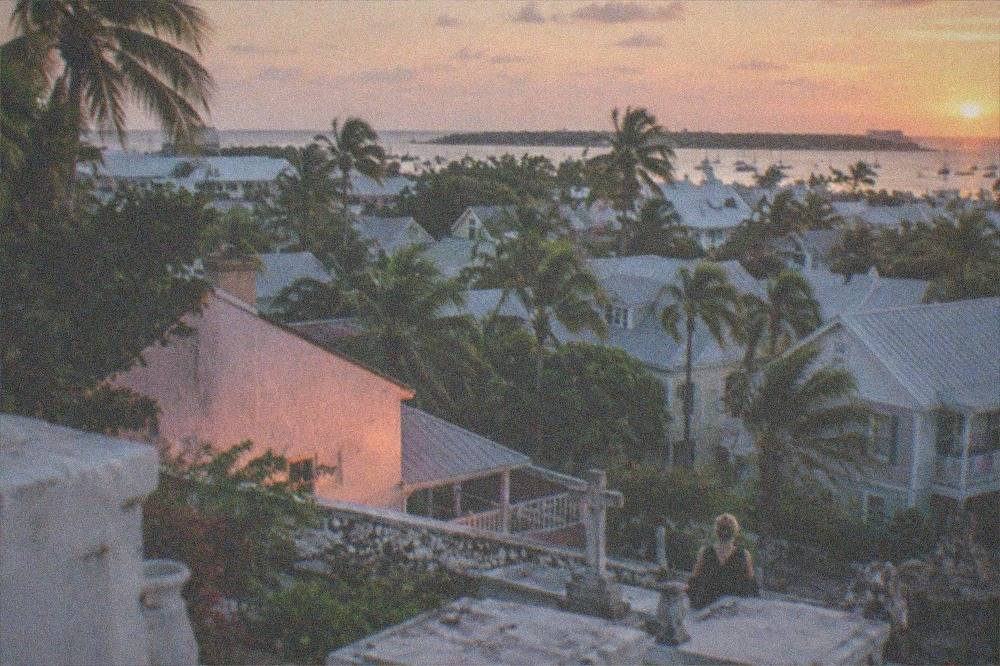
For the after-dark half of the evening, the Ghost and Mysteries Walk is the natural pairing, a 1.5-hour walk from $33 that meets at 429 Caroline Street and is capped at 16 travelers, with dowsing-rod demonstrations and stops at sites including Robert the Doll's former home. Travelers wanting an adults-only telling of the island's darker material can look at the Dark Side of Key West ghost tour instead, from $34.99, rated 4.6 from 354 reviews, a 1.5-hour walk meeting outside St Paul's Episcopal Church with a 30-person cap. Neither enters the cemetery, and both are up-front about that.
That honesty matters to this site's editors, which is why Key West Ghost Tours keeps the cemetery covered as a visit-it-yourself or stroll-program destination rather than dressing up an Old Town walk as a cemetery tour. The hill deserves better than a bait-and-switch, and the stroll program deserves the support its donations fund.
Practical Tips For Visiting The Famous Graves
Go early, bring water, and expect full sun. The cemetery is owned and operated by the City of Key West, covers 19 acres at 701 Passover Lane, and remains an active burial ground with private family plots, so visitors are asked to stay on paths and respect gravesites. Allow about an hour for a self-guided loop of the notable graves.
Solares Hill gets the morning sun and holds the afternoon heat, and there is little shade among the old stones. Comfortable shoes matter more than you would expect, because the paths climb and the famous graves are scattered rather than clustered. The table below condenses the planning decisions.
| Question | Planning answer |
|---|---|
| Guided visit | Cemetery Strolls by the Historic Florida Keys Foundation, roughly 90 minutes, $20 suggested donation, reservations required |
| Self-guided visit | Free, open during city cemetery hours; start from Passover Lane and work uphill |
| Evening pairing | Ghost and Mysteries Walk, 1.5 hours, from $33, meets 429 Caroline Street, covers Old Town haunted sites |
| Adults-only alternative | Dark Side of Key West tour, 1.5 hours, from $34.99, meets outside St Paul's Episcopal Church |
| Etiquette | Active cemetery with family plots; stay on paths, do not touch or lean on stones, keep voices low at services |
Planning allowances, not operator promises: stroll dates and departure times vary by season, so confirm the current schedule with the foundation before building a day around one. And if the epitaph is the main reason for the trip, morning light hits the Roberts stone better than the flat noon glare, a small thing that saves a second trip uphill.
Common Questions About Key West Cemetery Burials
Is There Anyone Famous Buried In Key West Cemetery?
Yes. The notable graves include Joseph "Sloppy Joe" Russell, the saloonkeeper and Hemingway associate; B.P. "Pearl" Roberts of the famous epitaph; Ellen Mallory, mother of Confederate Navy Secretary Stephen Mallory; William Curry, Florida's first millionaire; and Elena Hoyos, central figure of the documented Carl Tanzler case. The USS Maine plot and Los Martires de Cuba memorial add further historic weight.
What Is the Oldest Grave in Key West Cemetery?
The oldest legible marker belongs to Capt. James Johnson, dated 1829, relocated from the earlier coastal burial ground that the 1846 hurricane destroyed. A second relocated stone records a death in 1843. The cemetery itself was established in 1847, so its oldest stones are older than the cemetery.
Who Is B.P. Roberts?
B.P. "Pearl" Roberts (1929 to 1979) is remembered locally as a hypochondriac whose headstone is widely reported by local news and history sources as reading "I Told You I Was Sick." It is the most photographed grave in the cemetery, and the wording is consistently reported rather than certified as an exact inscription by this site.
How Many People Are Buried in Key West Cemetery?
The city's own materials estimate 80,000 to 100,000 burials across the 19-acre site, and the cemetery remains active with private family plots maintained by descendants.
Do Any Ghost Tours Visit the Cemetery?
No tour on this site's roster makes the cemetery its dedicated stop. The seasonal Cemetery Strolls run by the Historic Florida Keys Foundation are the interpreted option, while the Ghost and Mysteries Walk covers haunted Old Town sites such as Robert the Doll's former home and the La Concha hotel in the evening.
Is Elena Hoyos Still Buried in Key West Cemetery?
The cemetery is where Elena Hoyos was buried after her death from tuberculosis in 1931, and where Carl Tanzler is documented to have removed her body before the discovery in 1940. The Carl Tanzler and Elena Hoyos story guide on this site covers the full documented case.